How Seattle Stormwater Requirements Affect Homeowners Planning Additions
Planning a home addition is exciting. Whether you’re building an ADU, expanding your living space, adding a garage, or replacing part of your roof, most homeowners expect to think about permits, contractors, and construction costs. What many don’t expect is to have a conversation about stormwater runoff.
Throughout the Seattle area, we’ve seen more homeowners learn that their project may also require updates to how rainwater is managed on their property. In many cases, that means incorporating drainage improvements such as dispersion trenches or other stormwater mitigation measures into the project.
At All Seasons Waterproofing & Drainage, we’ve found that understanding these requirements early helps projects move more smoothly and often provides long-term drainage benefits for the property.
Why Stormwater Is Part of More Building Projects
Western Washington receives a significant amount of rainfall throughout the year, and as neighborhoods continue to grow, more of the landscape is covered by roofs, driveways, patios, and other hard surfaces. Every new roof section or paved area creates additional stormwater runoff. Instead of soaking naturally into the ground, rainwater is collected by gutters and downspouts before being concentrated into a much smaller area.
Over time, this can contribute to:
- Standing water
- Soil erosion
- Foundation moisture
- Crawl space water issues
- Increased demand on local stormwater systems
For that reason, many construction projects now include stormwater planning as part of the overall design.
Why Your Addition May Affect Stormwater Runoff
One thing homeowners often don’t realize is that even a relatively small addition changes how water moves across the property. Adding a bedroom, garage, covered patio, or ADU usually increases the amount of roof area collecting rainfall. That means more water is being directed into your gutters and downspouts during every storm.
Without proper drainage, that additional runoff can overwhelm areas that previously handled rainfall without any problems. Water may begin collecting near the foundation, creating muddy areas in the yard or increasing moisture around the home. Planning for that extra runoff before construction is complete helps protect both the new addition and the existing home.
What Is Stormwater Mitigation?
Stormwater mitigation simply means managing rainwater in a way that reduces its impact on the property and surrounding environment. Rather than allowing large amounts of roof runoff to discharge into one location, modern drainage systems are designed to slow the water down, spread it across a larger area, or allow it to soak back into the soil.
Depending on the property, that may include:
Dispersion trenches
Underground downspout extensions
Swales
Catch basins
French drains
Other site-specific drainage improvements
The right solution depends on how water naturally moves across your property.
Why Dispersion Trenches Are Becoming More Common
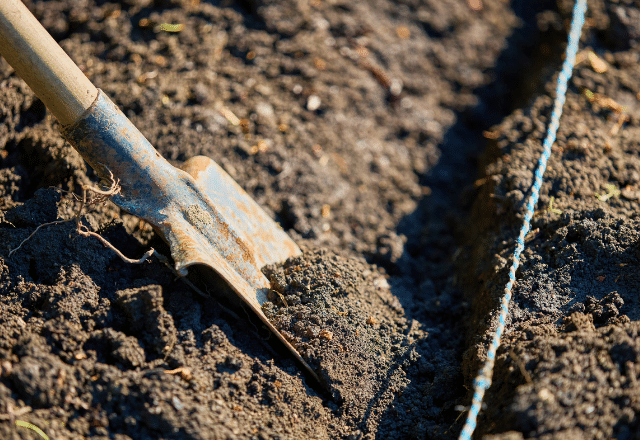
One of the most common drainage solutions homeowners hear about today is the dispersion trench. A dispersion trench collects roof runoff from the downspouts and distributes it through a gravel-filled trench where the water can gradually infiltrate into the surrounding soil. Instead of concentrating hundreds of gallons of water into one location during a storm, the trench spreads that water over a much larger area.
As more homeowners build additions and ADUs throughout the Seattle area, dispersion trenches have become an increasingly common way to manage additional roof runoff while improving drainage around the home.
Stormwater Improvements Can Protect Your Home
One thing we’ve learned during drainage inspections is that many homeowners think stormwater improvements are only about meeting permit requirements. In reality, they’re often protecting the home itself.
We’ve inspected properties where years of roof runoff discharged into the same location beside the foundation. Over time, that repeated saturation created soft soil, standing water, and moisture problems that eventually affected crawl spaces, basements, or landscaping. By improving how stormwater is managed, homeowners often reduce those long-term drainage issues while also helping protect their home’s foundation.
What We Look For During a Drainage Evaluation
Every property handles water differently, which is why we never recommend the same drainage solution for every home.
During a drainage evaluation, we look at the overall layout of the property, including roof runoff, grading, soil conditions, slope, existing drainage systems, and areas where water naturally collects after a storm. We also consider how the planned addition will change the amount of runoff the property needs to handle.
One thing we’ve found is that many drainage issues begin long before homeowners notice standing water. Small changes in grading or increased roof runoff can gradually saturate the soil over several years before obvious problems appear. Identifying those conditions early allows homeowners to incorporate effective drainage improvements while construction is already taking place.
Plan Drainage Early
One of the best decisions homeowners can make is discussing drainage before construction begins instead of after water problems develop. Adding stormwater improvements during a building project is often more efficient than trying to retrofit drainage systems after landscaping has been completed or recurring drainage issues appear.
Planning ahead also helps ensure the new addition works with the property’s existing drainage instead of unintentionally creating new water problems.
Final Thoughts
If you’re planning a home addition, ADU, garage, or major remodel in the Seattle area, don’t be surprised if stormwater management becomes part of the conversation.
As projects create more roof runoff, properly managing that water is becoming an important part of protecting both your home and your property. Whether that involves a dispersion trench or another drainage solution, planning for stormwater early can help prevent moisture problems and improve long-term drainage performance.
Contact Us for Stormwater Control and Dispersion Trench Installation in Seattle
If you’re planning an addition or have questions about stormwater drainage on your property, we are here to help. Our team designs and installs drainage solutions throughout Western Washington, helping homeowners manage roof runoff, protect their foundations, and improve drainage before problems develop. Contact us today to schedule a professional drainage evaluation.