Why Does Water Pool in My Yard?
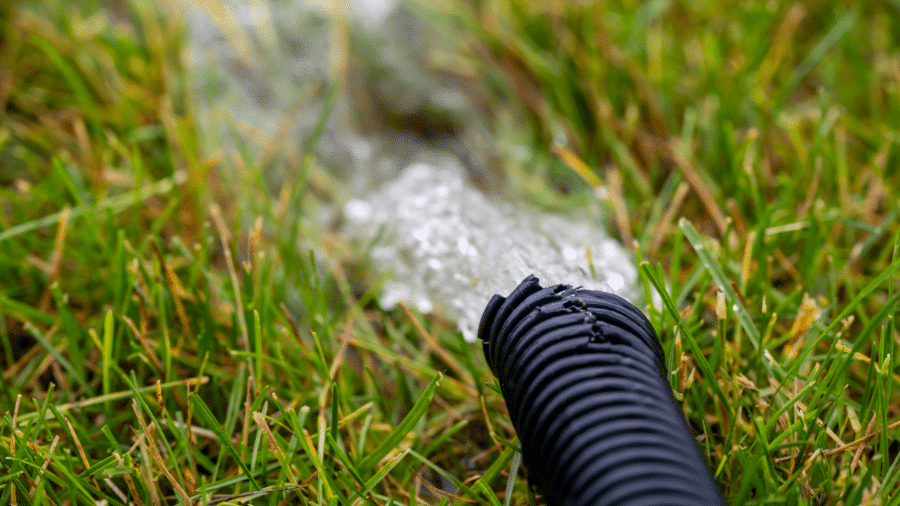
If you’ve ever walked across your yard after a rainstorm only to find puddles that linger for days, you’re not alone. Standing water is one of the most common drainage problems homeowners experience throughout the Seattle area.
Many people assume it’s simply because “it rains a lot here.” While our wet climate certainly plays a role, rain alone usually isn’t the real problem.
After inspecting thousands of properties across Western Washington, we’ve found that water pooling in a yard is almost always a sign that the property isn’t moving water away as efficiently as it should. Understanding why it’s happening is the first step toward preventing bigger issues like foundation damage, crawl space moisture, landscape erosion, and flooded basements.
Rain Isn't the Problem. Drainage Is.
The Seattle area receives months of steady rainfall, especially from late fall through early spring. Unlike regions that experience short, intense storms, our soils often remain saturated for weeks at a time. When the ground is already holding as much water as it can, even a moderate rainfall has nowhere to go. Instead of soaking into the soil, it begins collecting in low spots around your property.
That’s why one yard can dry out quickly while the neighbor’s remains muddy for days, even though they received the same amount of rain.
Poor Grading Is One of the Most Common Causes
One of the first things our team looks at during a drainage inspection is the overall grade of the property. Your yard should naturally direct water away from your home and toward a safe drainage outlet. Over time, however, landscaping changes, settling soil, patios, retaining walls, and previous construction projects can create low areas where water becomes trapped.
We’ve inspected countless homes throughout Seattle, Bellevue, Everett, Tacoma, and the surrounding communities where homeowners assumed they had a drainage system failure. In reality, the water simply had nowhere to flow because the yard had developed subtle low spots over the years. Even a small change in elevation can completely change how water moves across a property.
Heavy Clay Soils Slow Everything Down
Western Washington is known for its clay-heavy soils, and they behave very differently than sandy soils. Clay absorbs water slowly. Once saturated, it can remain wet for long periods, especially during the rainy season. Instead of allowing rainfall to soak deep into the ground, saturated clay often forces water to remain near the surface where it begins pooling.
This is one reason yards in our area often stay muddy long after the rain has stopped. The problem becomes even worse when the soil has been compacted by construction equipment, vehicles, or years of foot traffic.
Compacted Soil Prevents Water From Soaking In
Healthy soil contains tiny spaces that allow water to move downward. When soil becomes compacted, those spaces disappear. Water can no longer infiltrate the ground efficiently, so it begins collecting on the surface instead.
We’ve seen this frequently in newer developments throughout the Puget Sound region where heavy construction equipment has compressed the soil before landscaping was completed. Homeowners move in expecting their lawn to drain normally, only to discover standing water during the first rainy season.
Clogged or Undersized Drainage Systems
Sometimes the yard itself isn’t the problem. The drainage system may no longer be doing its job. French drains, catch basins, channel drains, and underground drain lines can all become clogged with leaves, roots, sediment, or debris over time. When that happens, water backs up and begins collecting in the lowest areas of the property.
In other cases, an older drainage system simply wasn’t designed to handle the amount of runoff the property receives today, especially after home additions, larger patios, new driveways, or expanded landscaping reduce the amount of ground available to absorb water.
Downspouts Can Create Wet Areas
One issue we find regularly during inspections is downspouts discharging too close to the house. Every rainstorm sends hundreds of gallons of water off your roof. If that water isn’t carried far enough away, it repeatedly saturates the soil next to the foundation before eventually finding the lowest point in the yard. Over time, this constant concentration of water can contribute to standing water, foundation settlement, crawl space moisture, and basement leaks. Sometimes extending or redirecting roof runoff is one of the simplest improvements a homeowner can make.
Low Spots Naturally Collect Water
Not every drainage issue is caused by a failed system. Sometimes the property simply has natural depressions where water wants to collect. This is especially common on larger lots or properties with rolling terrain. Water always follows the path of least resistance, and even small dips in the landscape can become collection points after repeated rainfall.
Identifying these areas is an important part of developing an effective drainage solution rather than simply treating the symptoms.
Standing Water Can Lead to Bigger Problems
A soggy yard isn’t just inconvenient. Standing water can eventually contribute to:
Crawl space
moisture and mold
Basement
leaks
Foundation
settlement
Soil
erosion
Damage to
landscaping
Mosquito
breeding
Dying grass and
unhealthy lawns
Increased hydrostatic pressure around
the foundation
The longer water remains around your home, the greater the chance it begins affecting other parts of your property.
Every Property Drains Differently
One thing we’ve learned after evaluating thousands of homes throughout the Seattle area is that no two drainage problems are exactly alike. Two neighboring properties can experience completely different issues because of differences in soil composition, grading, landscaping, retaining walls, roof runoff, or previous construction.
That’s why there’s rarely a single solution that works for every yard. The key is understanding how water moves across your specific property before recommending any drainage improvements.
When Should You Have Your Yard Evaluated?
If water remains in your yard for more than a day or two after rainfall, if parts of your lawn stay muddy throughout the winter, or if you’re beginning to notice moisture problems around your home’s foundation or crawl space, it’s a good idea to have the drainage evaluated before the problem gets worse.
Drainage issues rarely improve on their own. In many cases, they gradually become more expensive as repeated saturation begins affecting the soil around the home.
Contact us for Yard Drainage Solutions in Seattle
For more than two decades, our team has helped homeowners throughout the greater Seattle area solve drainage problems before they become foundation or waterproofing problems.
Our team has inspected thousands of properties across Western Washington, giving us firsthand experience with the soil conditions, rainfall patterns, and drainage challenges unique to our region. If you’re dealing with standing water or a persistently wet yard, contact us to schedule a professional drainage inspection and identify the cause.