Common Components of a Basement Waterproofing System and How They Protect Your Home
Seattle homeowners know the struggle all too well: heavy rain, soggy yards, and that musty basement smell that never seems to go away. But when it comes to protecting your home from water intrusion, a proper basement waterproofing system isn’t just a luxury—it’s essential.
At All Seasons Waterproofing and Drainage, we specialize in full-service solutions for wet basements and crawl spaces across the Pacific Northwest. Let’s walk through the key components of a basement waterproofing system and how each one works to defend your home from water damage, mold, and structural decay.
Why Waterproofing Matters in Seattle
Between prolonged rainy seasons, clay-heavy soils, and older homes without modern drainage systems, Seattle basements are especially vulnerable to moisture issues. Without a reliable waterproofing system, you risk:
- Structural damage to foundation walls and floors
- Mold and mildew growth are impacting indoor air quality
- Damage to stored items and the finished living space
- Increased humidity and musty odors
- Loss of home value over time
That’s where a comprehensive waterproofing system makes the difference.
The Core Components of a Basement Waterproofing System

1. Exterior Drainage System
One of the first lines of defense is a well designed exterior drainage system. This typically includes:
- Downspout extensions to carry water away from your foundation
- French drains or perimeter drains to collect and redirect groundwater
- Grading adjustments around your home to slope water away
By keeping water from pooling around your home, these systems reduce the risk of water pressing against your foundation and seeping in.
2. Interior Drain Tile System
When water pressure builds beneath or around your basement, an interior drain tile system offers a hidden but powerful solution. This involves:
- A network of perforated piping is installed around the basement perimeter (beneath the floor slab)
- A layer of gravel and filter fabric to allow water in but keep soil out
- Connection to a sump pump (see below)
Water that would otherwise seep through your basement floor or walls is instead collected and channeled directly into the drainage pipe, where it can be safely pumped away.
3. Sump Pump System
The sump pump is the heart of many basement waterproofing systems—especially in Seattle’s wet climate. Installed in a sump basin at the lowest point of the basement, the pump activates automatically when water reaches a certain level.
Benefits of a sump pump include:
- Prevents flooding during heavy rains
- Works in tandem with drain tile systems to manage groundwater
- Offers peace of mind with battery backup options
For homes with frequent water issues, a properly installed sump pump can be a game changer.
4. Vapor Barriers and Wall Sealants
Basement walls made of concrete or block are inherently porous. To prevent water vapor and minor seepage, vapor barriers or waterproof sealants may be applied to the interior walls.
- These barriers slow down moisture diffusion.
- Help reduce humidity levels.
- Protect finished basement walls from damage.
- Pair well with dehumidifiers for added moisture control.
Note: While wall coatings help manage vapor, they’re not a replacement for drainage systems if you’re dealing with actual water intrusion.
5. Crawl Space Encapsulation (If Applicable)
Many Seattle homes also have crawl spaces, and water can migrate from there into the main basement. Crawl space encapsulation includes:
- A heavy duty vapor barrier across the floor and walls
- Sealing off vents and openings
- Adding drainage and a sump pump if needed
This keeps the space dry, controls humidity, and prevents wood rot and mold growth that can affect your entire home.
How These Components Work Together
Each of these waterproofing tools plays a role, but it’s their combined system approach that truly protects your home. Exterior drainage keeps water away from your foundation, interior systems manage groundwater pressure, and sump pumps actively remove any water that makes it in.
When installed correctly by professionals like All Seasons Waterproofing, this system:
- Extends the life of your foundation
- Keeps your basement dry and usable year round
- Helps prevent costly structural repairs down the road
- Protects your indoor air quality
- Adds value and peace of mind to your home
Signs You Might Need Better Downspout Drainage
You don’t need to wait for a flooded basement to know there’s a problem. Watch for:
- Water pooling around your foundation after rain
- Eroded soil or landscaping near the home
- Moldy smells or damp air in your basement
- Paint peeling or discoloration near foundation walls
- Frequent sump pump activity
Protect Your Seattle Home from the Ground Up
Don’t wait for water damage to strike. If you’ve noticed damp walls, musty odors, or puddles during heavy rains, it’s time to take action. At All Seasons Waterproofing, we bring over 20 years of experience designing and installing reliable basement waterproofing systems built for the Pacific Northwest.
Whether you need a sump pump upgrade, a full perimeter drainage system, or help with exterior grading, our team can provide a free assessment and customized plan.
Contact All Seasons Waterproofing today to schedule your free basement or crawl space inspection. Your home’s foundation deserves protection from every season.
More Recent Articles
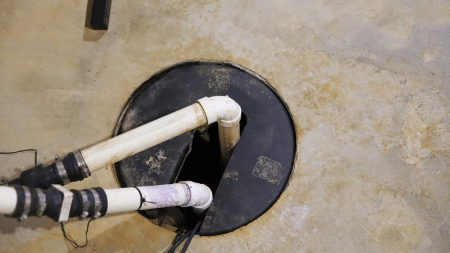
Home If you’ve dealt with water in your basement, you’ve probably heard the term French drain. It’s one of the most common solutions for basement waterproofing, especially in the Seattle area where heavy rainfall and saturated soil are part of everyday conditions. But what exactly is a French drain, and...
Home If your basement has a musty smell but you don’t see any standing water, it’s easy to assume it’s not a serious issue. Maybe it comes and goes, or you’ve gotten used to it over time. In reality, that smell is usually a warning sign. Across Seattle, Bellevue, Everett,...
Home If you’ve ever walked downstairs after a storm and found water on the basement floor, you’re not alone. Basement leaks after heavy rain are a common issue for homeowners throughout Seattle, Bellevue, Everett, Tacoma, and the surrounding Western Washington area, making basement waterproofing an essential solution to protect your...
Home In Western Washington, heavy rain is part of life. Cities like Seattle, Bellevue, Everett, and Tacoma experience months of steady rainfall each year. When storms arrive, the ground quickly becomes saturated, and drainage systems are put to the test. For homeowners, that often leads to a frustrating situation: walking...