How Does Water Get into Your Basement?
If you’re noticing damp walls, musty smells, standing water, or increased humidity in your basement, you’re not alone. For homeowners in the Seattle and Puget Sound area, basement moisture and water intrusion are common issues, not just during the wettest months.
At All Seasons Waterproofing and Drainage, we help homeowners understand how water gets into basements, why it’s a problem, and what effective solutions look like.
Why Basement Water Matters in Seattle
Seattle averages over 150 rainy days per year, and its heavy seasonal rains can overwhelm poorly protected homes. Water in your basement is more than an annoyance; it can lead to:
- Mold and mildew growth
- Wood rot and structural damage
- Damaged finishes, furniture, and storage items
- Poor indoor air quality
- Increased allergens and humidity
- Foundation deterioration over time
Water intrusion isn’t something to ignore; the earlier you identify the cause, the easier it is to stop it.
How Water Actually Gets Into Your Basement
Water can enter a basement in several ways. Most of the time, the cause isn’t just one issue, it’s a combination of factors that allow water to breach your home’s defenses.

1. Surface Water Flowing In
Heavy rain can cause water to pool near your foundation if your yard does not slope away from the house. When water collects near the foundation, gravity will naturally push it toward the lowest point, often your basement walls or floor joint.
Typical causes:
- Flat or inward‑sloping landscape
- Blocked or broken gutters and downspouts
- Lack of proper exterior drainage
Solution: Exterior grading corrections, downspout extensions, surface drains.
2. Hydrostatic Pressure
Hydrostatic pressure is the force exerted by standing or moving groundwater against your foundation. When soil becomes saturated, especially during long, heavy rains, that pressure increases and water is literally pushed through tiny cracks or pores in foundation walls and floors.
Signs of hydrostatic pressure:
- Bowing basement walls
- Water seeping through cracks
- Damp spots at or below the floor level
Solution: Interior drainage systems with sump pumps, exterior French drains.
3. Cracks in Walls and Floors
Even tiny cracks can allow water into your basement. Over time, soil movement, freeze‑thaw cycles, and settling can widen these cracks and make seepage worse.
Common areas affected:
- Vertical cracks in poured concrete walls
- Stair-step cracks in block foundations
- Cracks along the cove joint (where wall meets floor)
Solution: Crack sealing, epoxy injection, waterproofing membranes.
4. Poor or Clogged Gutters & Downspouts
If gutters are clogged or downspouts empty too close to your foundation, roof runoff can saturate the soil at your home’s base. From there, it’s only a matter of time before water finds its way in.
Solution: Gutter cleaning, properly placed downspout extensions, rain chains, roof drainage upgrades.
5. Inadequate or Failed Drainage Systems
Older homes or homes without professional waterproofing often lack drainage systems to intercept and divert water before it reaches the foundation.
Solution: Exterior French drains, interior drain tile (perimeter drainage), channel drains.
6. Condensation and Humidity
Not all basement moisture comes from outside infiltration. Warm indoor air can contact cool basement walls and condense into water droplets, especially in humid environments or during seasonal temperature changes.
Signs of condensation:
- Musty smell
- Damp walls with no visible leak source
- Beads of water on walls or windows
Solution: Crawl space encapsulation, dehumidifiers, improved ventilation.
How All Seasons Waterproofing and Drainage Solves Basement Water Problems
At All Seasons, we take a comprehensive approach to water intrusion, addressing both the cause and the symptoms. Our tailored solutions include:
Interior Drainage Systems
A network of subsurface piping captures water that accumulates along the foundation and routes it to a sump pump.
Sump Pump Installation & Backup Systems
Sump pumps actively remove water from your basement, and battery or water powered backups keep you protected during power outages.
Exterior Drainage Solutions
French drains, curtain drains, surface drains, and grading work all divert water away before it ever reaches the foundation.
Crack Repair and Wall Sealants
Professional crack sealing and waterproofing coatings prevent water from entering through foundation wall imperfections.
Crawl Space Encapsulation
For homes with crawl spaces, moisture barriers and perimeter drainage stop water at the source and improve indoor air quality.
Basement Waterproofing Membranes
Interior or exterior membranes help block water from entering, even under high hydrostatic pressure.
Signs You Need Professional Waterproofing
Watch for these indicators that water intrusion is more than a one‑time event:
- Persistent dampness after rain
- Water pooling near the foundation or in corners
- Efflorescence (white mineral buildup on walls)
- Mold growth or musty odors
- Sump pump cycling constantly
- Rust on metal supports or beams
If you see any of these, it’s time for a professional evaluation.
Why You Should Act Now
Waiting for basement water problems to resolve themselves usually makes the issue worse, not better. What starts as a small seep can turn into:
- Foundation settlement
- Structural cracking
- Mold colonization
- Expensive interior damage
Early intervention saves money and protects your home’s long‑term health.
Schedule a Free Basement Assessment Today
Water issues don’t take a break in the Pacific Northwest. But neither do we.
All Seasons Waterproofing and Drainage offers free assessments for homeowners throughout Seattle, Bellevue, Tacoma, Everett, and surrounding communities. We identify the source of your water intrusion and recommend customized solutions that fit your home and budget.
Contact us today to schedule your inspection and take the first step toward a dry, healthy basement.
More Recent Articles
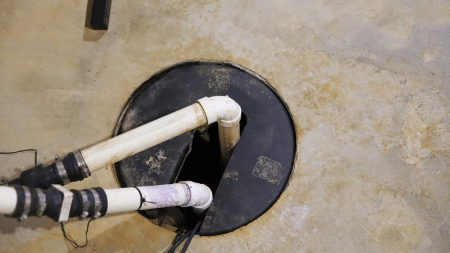
Home If you’ve dealt with water in your basement, you’ve probably heard the term French drain. It’s one of the most common solutions for basement waterproofing, especially in the Seattle area where heavy rainfall and saturated soil are part of everyday conditions. But what exactly is a French drain, and...
Home If your basement has a musty smell but you don’t see any standing water, it’s easy to assume it’s not a serious issue. Maybe it comes and goes, or you’ve gotten used to it over time. In reality, that smell is usually a warning sign. Across Seattle, Bellevue, Everett,...
Home If you’ve ever walked downstairs after a storm and found water on the basement floor, you’re not alone. Basement leaks after heavy rain are a common issue for homeowners throughout Seattle, Bellevue, Everett, Tacoma, and the surrounding Western Washington area, making basement waterproofing an essential solution to protect your...
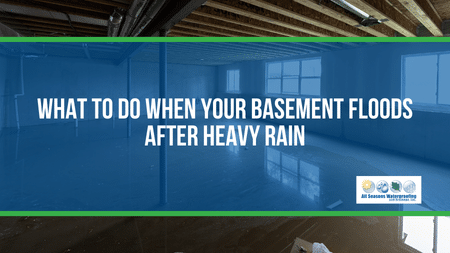
Home In Western Washington, heavy rain is part of life. Cities like Seattle, Bellevue, Everett, and Tacoma experience months of steady rainfall each year. When storms arrive, the ground quickly becomes saturated, and drainage systems are put to the test. For homeowners, that often leads to a frustrating situation: walking...