What Is Hydrostatic Pressure and How Does It Cause Basement Water Problems?
When you think about water getting into your basement, you might imagine a leaky pipe or stormwater rushing in. But one of the most common and misunderstood causes of basement water intrusion is hydrostatic pressure, a natural force that can slowly and silently damage your foundation over time.
At All Seasons Waterproofing & Drainage, we’ve seen the effects of hydrostatic pressure throughout the Seattle area, especially in homes built on hillsides, in flood-prone zones, or with poor yard drainage. This article explains what hydrostatic pressure is, why it matters, and how it can lead to water in your basement and cracks in your foundation.
What Is Hydrostatic Pressure?
Hydrostatic pressure is the force exerted by standing water in the soil around your home. When the ground becomes saturated, usually after heavy rain, snowmelt, or poor drainage, water builds up and starts to push against your foundation walls.
- Hydro = water
- Static = standing still
- So, hydrostatic pressure literally means the pressure from standing water.
Even though the water is not moving, the pressure it creates is very real, and very powerful.
How Hydrostatic Pressure Builds Up Around Your Foundation
In Seattle’s wet climate, soil can stay saturated for weeks or even months at a time. The more water that accumulates in the soil, the greater the pressure exerted against your home’s foundation.

Here’s how it happens:
- Rainwater soaks into the ground and fills the soil pores.
- If drainage is poor or the ground is already saturated, that water has nowhere to go.
- The trapped moisture begins pushing laterally against your foundation walls.
- Water also builds up vertically underneath your basement floor slab, pushing up with significant force.
The deeper your basement, the greater the hydrostatic pressure it faces. This can eventually cause structural damage, especially if your foundation has cracks or weak points.
How Hydrostatic Pressure Forces Water Into Your Basement
Concrete is a durable material, but it’s also porous. When hydrostatic pressure builds, it forces water through even the tiniest openings in your foundation.
You might notice:
- Damp basement walls
- Water seeping through cracks
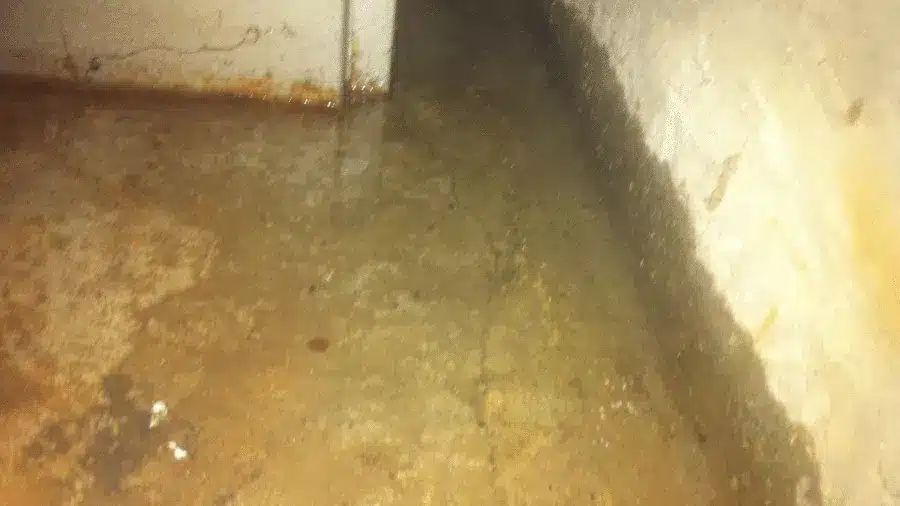
- Pooling water near floor-wall joints
- Efflorescence (a white, chalky residue from mineral deposits)
- Musty odors or visible mold growth
This is more than a nuisance. Water infiltration can damage your belongings, ruin finished basements, and promote mold that affects your indoor air quality.
Can Hydrostatic Pressure Cause Foundation Cracks?
Yes, and this is where the real trouble begins.
Over time, persistent pressure from saturated soil can cause:
- Horizontal cracks in poured concrete or block walls
- Diagonal “stair-step” cracks in block foundations
- Cracks in basement floors
- Bowing or bulging walls from soil pressure
If left unaddressed, these cracks worsen with each passing season, especially during freeze-thaw cycles, and may lead to significant structural failure or costly repairs.
How All Seasons Waterproofing Protects Your Home
The good news? Hydrostatic pressure can be controlled, but only with the right waterproofing and drainage solutions.
At All Seasons Waterproofing, we offer Seattle-area homeowners a range of proven methods to relieve pressure and keep basements dry:
1. Exterior Drainage Systems
We install French drains, surface grading improvements, and buried downspout extensions to divert water away from your home before it can soak the soil.
2. Interior Drainage and Sump Pump Systems
If water is already pressing against your foundation, interior drain tile systems and sump pumps help capture and redirect that water safely out of your basement.
3. Foundation Crack Repair
We seal and reinforce existing cracks using industry-approved materials to stop water infiltration and prevent future widening from pressure.
4. Basement Waterproofing Membranes
For homes that need extra protection, we install heavy-duty waterproofing membranes that act as a physical barrier between water and your foundation walls.
Signs You Might Have a Hydrostatic Pressure Problem
Keep an eye out for these common red flags:
- Water leaks after heavy rain
- New cracks in basement walls or floors
- Wet spots or discoloration on drywall or paneling
- Efflorescence or mold
- A basement that smells musty year-round
If you’ve noticed any of these issues, it’s time to schedule a professional waterproofing inspection. Hydrostatic pressure problems don’t get better on their own, and the longer you wait, the worse the damage can become.
Protect Your Basement from the Ground Up
Seattle’s rain-soaked soil makes hydrostatic pressure a year-round risk for homeowners. But with proper waterproofing and drainage, your basement can stay clean, dry, and protected from long-term structural damage.
At All Seasons Waterproofing & Drainage, we’ve been helping local homeowners fight back against water for over 20 years. Whether you need an inspection, a sump pump installation, or a full foundation waterproofing plan, we’re here to help. Contact us today to schedule your free evaluation and find out if hydrostatic pressure is putting your basement at risk.