
Why Basement Wall Cracks Leak (And What Actually Stops the Water)
Seeing water coming through a basement wall crack is unsettling. Even a thin hairline crack can let in a surprising amount of moisture, especially after heavy rain or snowmelt.
At All Seasons Waterproofing and Drainage, we help homeowners stop water intrusion through basement wall cracks, without unnecessary structural repairs. The key is understanding why cracks leak and what solutions actually keep basements dry long-term.
Why Basement Wall Cracks Let Water In
Most basement wall cracks aren’t a structural failure. They’re a path of least resistance for water under pressure.
When soil around your home becomes saturated, groundwater builds up against the foundation walls. This creates hydrostatic pressure, which pushes water toward any available opening, no matter how small.
Common reasons wall cracks leak include:
- Heavy rainfall or rapid snowmelt
- Poor exterior drainage or grading
- Clogged or failing footing drains
- High water tables
- Aging concrete or shrinkage cracks
The crack itself isn’t always the problem. The water pressure behind it is.
Why DIY Crack Repairs Often Fail
Many homeowners try quick fixes like hydraulic cement, masonry caulk, or store-bought crack injection kits. These solutions may slow the leak temporarily, but they rarely solve the real issue.
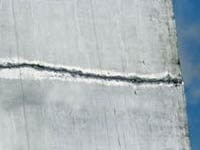
Here’s why DIY crack repair doesn’t last:
- It seals the inside but ignores water pressure outside
- Water simply finds another path into the basement
- Surface patches can crack again as pressure builds
- Moisture continues to saturate the wall behind the seal
If water pressure isn’t relieved, sealing a crack alone is like putting tape over a leak in a pressurized pipe.
Leaky Wall Cracks vs. Structural Foundation Cracks
It’s important to make the distinction.
Leaky wall cracks
- Often thin or vertical
- Caused by shrinkage, settling, or moisture pressure
- Primarily a waterproofing issue
Structural foundation cracks
- Wide, horizontal, or stair-step cracks
- May indicate movement or load issues
- Require structural repair (not offered by All Seasons)
Most homeowners dealing with water in the basement are facing the first scenario, not the second.
The Right Way to Stop Basement Wall Leaks
At All Seasons Waterproofing and Drainage, our focus is on water management, not foundation reconstruction.
Depending on the situation, effective solutions may include:
Interior Drainage Systems
Interior perimeter drains collect groundwater before it reaches wall cracks, relieving pressure and directing water safely to a sump pump.
Sump Pump Systems
A properly sized and installed sump pump removes collected groundwater efficiently, preventing it from pushing through cracks.
Wall Crack Sealing (When Appropriate)
Crack sealing can be effective when combined with drainage solutions that reduce water pressure against the wall.
Improved Moisture Control
Managing humidity and groundwater levels helps protect basement walls from ongoing moisture intrusion.
The goal isn’t just to seal the crack, it’s to stop water from being forced through it.
Why Waterproofing Works When Patch Repairs Don’t
Waterproofing systems address the source of the problem, not just the symptom.
By controlling groundwater and relieving hydrostatic pressure, waterproofing prevents:
- Recurring leaks
- Mold and mildew growth
- Musty odors
- Damage to finished basement spaces
This approach protects your basement long-term instead of relying on temporary surface fixes.
When Should You Call a Waterproofing Professional?
You should have your basement evaluated if you notice:
- Active water leaking through wall cracks
- Damp or discolored basement walls
- Musty odors after rainfall
- Puddling or moisture near wall-floor joints
Even small leaks can worsen over time if left untreated.
Why Homeowners Trust All Seasons Waterproofing and Drainage
All Seasons Waterproofing and Drainage specializes in basement waterproofing and drainage solutions, not foundation repair sales.
We focus on:
- Identifying where water is coming from
- Reducing hydrostatic pressure around your home
- Installing proven drainage and waterproofing systems
- Providing honest recommendations based on your basement’s needs
No scare tactics. No unnecessary structural work. Just solutions that keep water out.
Stop Basement Wall Leaks for Good
If water is coming through cracks in your basement walls, don’t rely on temporary fixes. Let All Seasons Waterproofing and Drainage evaluate the problem and design a solution that addresses the real cause of the leak. Contact us today to schedule a basement waterproofing consultation.