Foundation Settlement Repair Cost: What to Expect
If you’ve got water showing up around your home, one of the first questions is what kind of solution you actually need. Some people are told they need basement waterproofing. Others are told to fix drainage outside. Sometimes both come up, and it’s not always clear why. The truth is, these are two different types of solutions that solve different parts of the same problem.
Quick Answer
- Yard drainage controls water before it reaches your foundation
- Basement waterproofing manages water after it reaches your foundation
If water is collecting around your home, drainage is usually the starting point. If water is already getting inside, waterproofing is likely needed. In many Western Washington homes, both are used together.
Why This Is So Common in Western Washington
In the Seattle area and throughout Western Washington, water is a constant factor. Long stretches of rain keep the ground saturated. Once the soil is full, it can’t absorb much more. That water has to go somewhere, and it usually ends up around or against your foundation. Even homes that were fine for years can start having issues once drainage patterns change or soil conditions shift. That’s why figuring out where the water is coming from is the first step.
What Yard Drainage Actually Does
Yard drainage systems are designed to move water away from your home before it becomes a problem. This includes solutions like:
- Downspout extensions
- Underground drainage pipes
- Catch basins
- French drains
- Grading adjustments
The goal is simple. Keep water from building up near the foundation. If water never reaches the house, it can’t cause damage.

What Basement Waterproofing Systems Do
Basement waterproofing focuses on what happens when water does reach the foundation. Instead of trying to block water completely, most modern systems are designed to manage it and move it away safely. This can include:
- Interior drainage systems along the perimeter
- Sump pumps to remove collected water
- Crack repair to stop direct entry points
- Wall systems that direct moisture into drainage
The goal is to relieve pressure and prevent water from entering the living space.
The Key Difference
The easiest way to think about it:
- Drainage works outside the home
- Waterproofing works inside or at the foundation level
Drainage tries to stop the problem early. Waterproofing handles it when it gets closer or is already inside.
When You Likely Need Yard Drainage
If you’re seeing water issues outside but not inside yet, drainage is usually the right place to start. Look for signs like:
- Water pooling in the yard after rain
- Soil staying wet for long periods
- Erosion or washout near the home
- Downspouts dumping water near the foundation
These are all signs that water is not being properly directed away. Fixing drainage early can often prevent basement or crawl space problems later.
When You Likely Need Basement Waterproofing
If water is already entering the home, drainage alone is usually not enough. Common signs include:
Water along basement walls or floors
Leaks at the cove joint
Damp or musty basement air
Visible cracks letting in water
At this point, the issue has moved beyond the yard. It needs to be managed at the foundation level.
When You Need Both
This is more common than most homeowners expect. In Western Washington, the soil often stays saturated for long periods. Even with drainage improvements, some water will still reach the foundation. That’s where combining systems makes sense.
- Drainage reduces the amount of water
- Waterproofing handles what remains
Together, they provide a much more reliable solution.
Why One Fix Isn’t Always Enough
One of the biggest mistakes is trying to solve everything with a single fix. For example:
- Extending downspouts may help, but won’t stop groundwater
- Installing a sump pump helps inside, but doesn’t reduce outside water buildup
Water problems are rarely caused by one issue. They’re usually the result of how water moves across the entire property.
What the Right Solution Looks Like
The right solution depends on what’s happening at your home. Some properties only need minor drainage improvements. Others need a full system that includes both exterior and interior solutions. A proper evaluation looks at:
- Where water is collecting
- How it moves across the yard
- How it interacts with the foundation
- Whether it’s already entering the home
That’s what determines the best approach.
Contact Us for Basement and Yard Drainage Solutions
If you’re dealing with water around your home and aren’t sure which solution you need, it’s worth having it looked at. At All Seasons Waterproofing & Drainage, we help homeowners throughout Seattle and Western Washington identify where water is coming from and recommend solutions that actually fix the problem long term. Contact our team today to schedule an inspection and get a clear answer on what your home needs.
More Recent Articles
Home One of the most common ways water finds its way into basements and crawl spaces in the Seattle area is through poor drainage. When heavy rain causes water to collect around your foundation, it can seep into the ground, create pressure against the structure, and eventually find a way...
Home When most homeowners hear “basement waterproofing,” they think of a quick fix. Maybe sealing a crack or coating the walls. In reality, a true basement waterproofing system is not just one product. It’s a combination of components designed to manage water, relieve pressure, and keep your basement dry long-term....
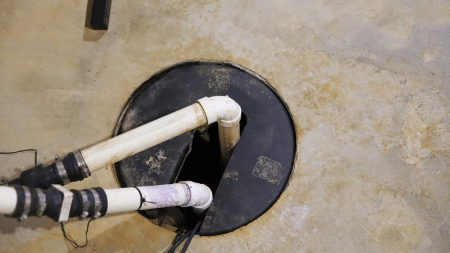
Home If you’ve dealt with water in your basement, you’ve probably heard the term French drain. It’s one of the most common solutions for basement waterproofing, especially in the Seattle area where heavy rainfall and saturated soil are part of everyday conditions. But what exactly is a French drain, and...
Home If your basement has a musty smell but you don’t see any standing water, it’s easy to assume it’s not a serious issue. Maybe it comes and goes, or you’ve gotten used to it over time. In reality, that smell is usually a warning sign. Across Seattle, Bellevue, Everett,...