Should You Waterproof Before Finishing Your Basement?
If you’re planning to finish your basement, it’s easy to get focused on the end result. New floors, drywall, lighting. Turning that space into something usable. But there’s one question that needs to be answered before any of that starts. Is the basement actually dry? Because if it’s not, finishing it first is one of the fastest ways to create a bigger problem.
Quick Answer
Yes, you should waterproof your basement before finishing it.
If there’s any history of moisture, leaks, or humidity issues, those need to be addressed first. Otherwise, finished materials like drywall and flooring can be damaged, and in many cases, the problem comes back.
Why This Matters More in Western Washington
In the Seattle area and throughout Western Washington, moisture is not a one-time issue. It’s ongoing. Long periods of rain keep the ground saturated, which means water is constantly interacting with your foundation. Even if your basement looks dry most of the time, that doesn’t mean the conditions aren’t there. Water pressure builds up around the foundation, and when it finds a path in, it shows up inside. That’s why basements here need to be treated differently than in drier climates.
What Happens If You Finish First
Unfinished basements can handle some level of moisture without obvious damage. Concrete gets damp, dries out, and you might not think much of it. Once you finish the space, that changes. You’re adding materials that don’t handle moisture well:
Drywall
Flooring
Insulation
Trim
If water or humidity is still present, it can lead to:
Mold growth
Warped flooring
Musty odors
Damage behind walls
At that point, you’re not just fixing a moisture issue. You’re redoing the finished space.
Signs You Should Waterproof First
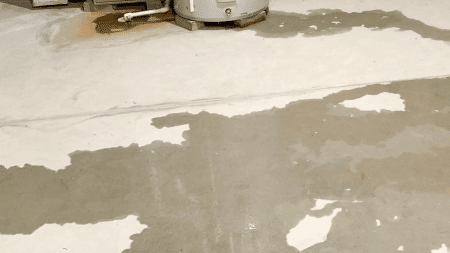
Even if you haven’t seen standing water, there are signs that moisture is still a factor. Look for damp or musty smells, water stains on the walls, white residue on the concrete, water showing up during heavy rain, or high humidity levels. If any of these are present, the problem hasn’t been fully solved.
Where Basement Moisture Comes From
Most water issues aren’t random. In Western Washington, they usually come from:
- Saturated soil pressing against the foundation
- Water finding its way through cracks or joints
- Poor drainage around the home
- Groundwater building up during long rain cycles
Even small entry points can allow moisture in when pressure builds up outside.
What Waterproofing Actually Does
Waterproofing isn’t just about sealing cracks. It’s about managing water so it doesn’t damage your home. A proper system may include:
- Interior drainage to collect water
- A sump pump to remove it
- Crack repair to stop direct entry points
- Improvements to exterior drainage
The goal is to control water intrusion with a waterproofing system before it becomes a problem inside the finished space.
Why Waiting Can Cost More
It’s tempting to move forward with finishing if the basement seems mostly dry. But if the issue isn’t fully addressed, the cost of fixing it later is usually higher. Instead of just installing waterproofing, you may also be dealing with:
- Removing damaged drywall
- Replacing flooring
- Addressing mold issues
Taking care of the moisture problem first is what protects the investment.
How Long Should You Wait After Waterproofing?
Once waterproofing is installed, it’s a good idea to give it time. This allows you to see how the system performs during:
- Heavy rain
- Seasonal changes
- Long wet periods
If the basement stays consistently dry through those conditions, it’s a strong sign you’re ready to move forward.
Building It the Right Way
Even after waterproofing, it’s smart to use materials that handle moisture better.
In basements, that often includes:
- Moisture-resistant drywall
- Waterproof or water-resistant flooring
- Proper insulation designed for below-grade spaces
These choices add another layer of protection.
Contact Our Team For Basement Waterproofing in Seattle
If your basement has had moisture issues or you’re not sure whether it’s ready to be finished, it’s worth having it evaluated first. We’ve helped thousands of homeowners throughout Seattle and Western Washington identify moisture problems and install systems designed to keep basements dry long term.
Contact our team today to schedule an inspection and make sure your basement is ready before you invest in finishing it.