What to Do When Your Basement Floods After Heavy Rain
In Western Washington, heavy rain is part of life. Cities like Seattle, Bellevue, Everett, and Tacoma experience months of steady rainfall each year. When storms arrive, the ground quickly becomes saturated, and drainage systems are put to the test.
For homeowners, that often leads to a frustrating situation: walking into the basement and finding water on the floor.
Basement flooding after heavy rain is a common issue throughout the Seattle area. When soil becomes saturated and drainage systems cannot keep up, water can begin pushing toward the foundation and finding its way inside.
Knowing what to do when your basement floods after heavy rain can help minimize damage and help you identify the underlying drainage or waterproofing problem before it gets worse.
Stay Safe First
Safety should always be the first priority when dealing with basement flooding.
Standing water in a basement can create electrical hazards if outlets, appliances, or electrical panels are exposed to moisture. Before entering a flooded basement, make sure it is safe to do so. If necessary, turn off power to the affected area.
If flooding is severe, it may be best to contact professionals before attempting to enter the basement.
Once the area is safe, you can begin addressing the water and determining where it is coming from.
Remove Standing Water Quickly
The faster standing water is removed from a basement, the less damage it will cause.
Water can soak into drywall, flooring, and stored items. It can also create conditions that allow mold to grow if moisture remains trapped in the space. Using a wet vacuum, sump pump, or portable pump can help remove water quickly.
For larger floods, professional water extraction equipment may be necessary to fully remove moisture from the basement.
After removing standing water, the space should be dried thoroughly using fans and dehumidifiers. This step is especially important in the Seattle area, where the naturally damp climate can slow the drying process.
Identify Where the Water Is Entering
Once the immediate flooding has been addressed, the next step is determining how the water entered the basement. Homes throughout the Seattle area often experience basement leaks due to saturated soil conditions. When heavy rain falls for extended periods, the soil around the foundation can become waterlogged.
Common entry points include:
Cracks in basement or
foundation walls
Gaps around pipes or utility penetrations
Window wells that fill with water
Water seeping up through basement floors
In many cases, water intrusion during storms is caused by hydrostatic pressure. When soil becomes saturated, water pressure builds against basement walls and forces moisture through small openings in the concrete.
This type of pressure is one of the most common causes of basement leaks in Seattle and surrounding communities.
Check Your Exterior Drainage System
Poor exterior drainage is one of the leading causes of basement flooding in Western Washington homes.
When rainwater is not directed away from the house properly, it collects around the foundation and increases the risk of water intrusion.
Start by checking gutters and downspouts. Clogged gutters can overflow during storms and allow water to pool near the foundation. Downspouts should direct water several feet away from the home.
Grading around the property is also important. The ground should slope away from the foundation so that water flows away from the house instead of toward it.
In the Seattle area, many homes are built on slopes or in areas with dense clay soils that drain slowly. When drainage is poor, installing systems such as French drains, yard drains, or catch basins can help redirect stormwater away from the foundation.
Inspect Your Sump Pump
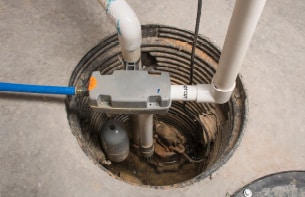
For homes with basements in the Pacific Northwest, sump pumps play an important role in managing groundwater. A sump pump collects water from a drainage system and pumps it away from the home. During heavy rainstorms in Seattle, a sump pump may run frequently as groundwater levels rise. If the sump pump stops working or becomes overwhelmed, water can begin accumulating in the basement.
Homeowners should periodically check that their sump pump is functioning properly and that the discharge line is clear. In areas that receive frequent rainfall, installing a backup sump pump system can provide additional protection during storms or power outages.
Clean and Dry the Basement
After water has been removed, the basement should be cleaned and dried thoroughly.
Moisture that remains in building materials can lead to mold growth, musty odors, and long term structural damage. Dehumidifiers and air circulation can help remove excess moisture from the air and surfaces. Water-damaged items should be removed or properly cleaned. If drywall, insulation, or carpeting becomes saturated, those materials may need to be replaced.
Because Western Washington homes already experience high humidity levels, drying the basement quickly is critical to preventing mold growth.
Prevent Basement Flooding in the Future
Once the immediate flooding has been addressed, the next step is preventing the issue from happening again. Many homeowners in Seattle, Bellevue, and Everett experience recurring basement leaks because water management around the home has not been fully addressed.
Common solutions include improving exterior drainage, installing foundation drainage systems, repairing wall cracks, and upgrading sump pump systems. In many cases, professional basement waterproofing systems can help relieve pressure around the foundation and redirect groundwater safely away from the home.
When to Call a Basement Waterproofing Professional
If your basement floods after heavy rain, it often indicates an underlying drainage or waterproofing problem.
Recurring leaks are usually a sign that groundwater pressure or drainage issues around the home need to be addressed. A professional inspection can help determine the source of the problem and identify the best long term solution.
At All Seasons Waterproofing and Drainage, we help homeowners throughout Seattle, Bellevue, Everett, Tacoma, and surrounding Western Washington communities solve basement flooding problems caused by heavy rain, poor drainage, and groundwater pressure.
Our team specializes in drainage solutions, sump pump systems, foundation waterproofing, and yard drainage systems designed to protect homes from the region’s wet climate.
Protecting Your Seattle Area Home from Stormwater
Heavy rain is a normal part of life in Western Washington, but basement flooding does not have to be.
By responding quickly to water intrusion, identifying the source of the problem, and improving drainage around your home, you can reduce the risk of future flooding.
If your basement has flooded after a storm, addressing the issue now can help protect your home and prevent more serious damage during the next rainy season.
More Recent Articles
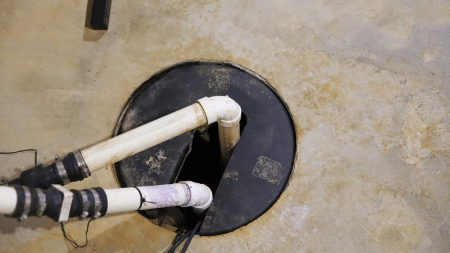
Home If you’ve dealt with water in your basement, you’ve probably heard the term French drain. It’s one of the most common solutions for basement waterproofing, especially in the Seattle area where heavy rainfall and saturated soil are part of everyday conditions. But what exactly is a French drain, and...

Home If your basement has a musty smell but you don’t see any standing water, it’s easy to assume it’s not a serious issue. Maybe it comes and goes, or you’ve gotten used to it over time. In reality, that smell is usually a warning sign. Across Seattle, Bellevue, Everett,...
Home If you’ve ever walked downstairs after a storm and found water on the basement floor, you’re not alone. Basement leaks after heavy rain are a common issue for homeowners throughout Seattle, Bellevue, Everett, Tacoma, and the surrounding Western Washington area, making basement waterproofing an essential solution to protect your...

Home If you own a home in the Seattle–Tacoma area, you already know the rain is not “occasional.” Long wet seasons, saturated soils, and high groundwater can turn a small seep into a flooded basement or crawl space in a single storm. That is exactly why a properly sized, professionally...