Why Does My Basement Leak From the Floor?
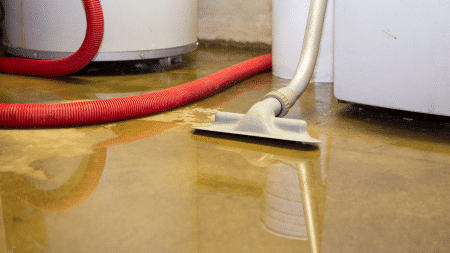
A lot of homeowners expect basement leaks to come through the walls. But in many homes, especially in the Seattle area, water actually comes up through the basement floor. That usually catches people off guard. You walk downstairs after heavy rain and notice your carpet is damp or there is moisture near the wall-to-floor joint. And the first question becomes: how is water coming up from underneath the basement?
Quick Answer
Basement floors usually leak because of hydrostatic pressure. After heavy rain, groundwater builds up beneath the foundation. As pressure increases, water gets pushed upward through:
- Floor cracks
- The cove joint where the wall meets the floor
- Porous concrete
In Western Washington, saturated soil conditions make this very common.
What Is Hydrostatic Pressure?
Hydrostatic pressure is the force created when water builds up in the soil around and beneath your home. Once the ground becomes saturated, that water needs somewhere to go. The pressure pushes against:
- Basement walls
- The underside of the floor slab
- Cracks and weak points in the concrete
Eventually, water finds a path inside.
Why This Happens So Often in Seattle
Homes throughout Western Washington deal with:
- Long periods of rain
- High groundwater levels
- Saturated soil conditions
That means the soil around the foundation often stays wet for extended periods. Once enough pressure builds underneath the slab, basement floor leaks become much more likely.
Common Places Water Comes Through the Floor
Most basement floor leaks appear in a few common areas.
Floor Cracks
Small cracks in the slab can allow groundwater to seep upward.
Cove Joint Leaks
The cove joint is where the basement wall meets the floor. This is one of the most common leak locations because it’s a natural connection point between two separate concrete pours.
Porous Concrete
In some cases, water can even move directly through the concrete itself when pressure becomes high enough.
Real-World Experience From the Field
Our team regularly sees basements where homeowners thought they had a plumbing issue because water was appearing in the middle of the floor. After inspection, the actual issue was groundwater pressure building beneath the slab after extended rain. In many homes, the basement may stay dry for years until one especially wet season pushes the pressure beyond what the foundation can handle.
Why Sealing the Floor Alone Usually Doesn’t Work
A common DIY approach is coating the floor or patching visible cracks. That may temporarily slow the leak, but it usually does not solve the actual problem. If groundwater pressure remains underneath the slab, water continues searching for another path inside. That’s why basement floor leaks often come back after temporary repairs.
How Basement Waterproofing Solves the Problem
The goal is not just blocking visible water. It’s relieving the pressure causing the leak in the first place. This often involves:
- Interior drainage systems
- Drain tile installation
- Sump pump systems
- Groundwater management beneath the slab
These systems give water a controlled path away from the basement before it reaches the living space.
Final Thoughts
When water leaks through the basement floor, the issue is usually happening below the home, not just inside it. In Seattle and Western Washington, heavy rainfall and saturated soil create significant groundwater pressure that can force water upward through basement floors and joints. The key is addressing the pressure itself, not just the visible leak.
Contact Us for Basement Waterproofing Solutions in Seattle
If you’re noticing water coming through your basement floor or appearing after heavy rain, All Seasons Waterproofing & Drainage can help identify the source of the problem and recommend the right waterproofing solution. We help homeowners throughout Seattle and Western Washington protect their basements from groundwater intrusion and long-term moisture damage. Contact our team today to schedule an inspection.