Why Is Water Coming In Where the Wall Meets the Floor?
If you’ve ever discovered water along the edge of your basement floor, you’re not alone. In fact, one of the most common calls we receive at All Seasons Waterproofing & Drainage starts with something like:
“The walls look dry, but water keeps showing up where the wall meets the floor.”
Many homeowners assume there must be a crack in the wall. Sometimes that’s true. But more often, the water is entering through an area called the cove joint, and it’s usually a sign of hydrostatic pressure beneath or around the foundation. Understanding why this happens is the first step toward solving the problem permanently.
What Is the Cove Joint?
The cove joint is the seam where the basement wall and floor meet. Most basement floors and foundation walls are poured separately during construction. As a result, a small joint exists where the two sections come together.
Under normal conditions, this isn’t a problem. However, when groundwater pressure builds around the home, the cove joint often becomes one of the easiest places for water to enter. One thing our team commonly sees is homeowners spending time searching for a wall crack when the actual water entry point is hidden along the perimeter of the floor.
What Is Hydrostatic Pressure?
Hydrostatic pressure is one of the leading causes of basement water problems. After heavy rain, water saturates the soil surrounding the foundation. In Western Washington, where the ground can remain wet for long periods, this is especially common. As the soil becomes saturated, the water creates pressure against the foundation walls and beneath the basement floor. Eventually, that water starts looking for a way inside. Common entry points include:
- Floor cracks
- Foundation wall cracks
- Utility penetrations
- The cove joint
The water isn’t necessarily coming through the wall itself. It’s often being pushed through the path of least resistance.
Why This Is So Common in Western Washington
One thing we frequently observe throughout the Seattle area is that many homeowners don’t experience flooding. Instead, they experience seepage. They may notice:
Damp carpet edges
Water staining along the perimeter
Small puddles after heavy rain
Musty odors near exterior walls
Because the water enters gradually, the problem can go unnoticed for months or even years. The amount of rainfall we receive throughout Western Washington means many homes are constantly dealing with groundwater pressure beneath the surface.
A Common Homeowner Misconception
Many people assume:
“If I seal the area where the water is coming in, the problem will be solved.”
Unfortunately, that’s usually not the case. The cove joint itself is rarely the actual problem. The real issue is the groundwater pressure forcing water toward that joint.
If the pressure remains, water often finds another way inside. That’s why effective waterproofing focuses on managing the water, not simply blocking the visible leak.
How Drain Tile Systems Solve the Problem
This is where basement drainage systems come in. A drain tile system is designed to intercept groundwater before it reaches your basement floor. The system typically includes:
- A drainage trench around the perimeter
- Drainage stone
- Perforated drain pipe
- A sump basin
- A sump pump system
Instead of allowing pressure to build beneath the floor, the drainage system collects groundwater and directs it safely away from the home. One thing we often explain during inspections is that we’re not trying to stop water from existing. We’re simply giving it a better path to follow.
What We Commonly Find During Inspections
When homeowners call about water at the wall-floor joint, we often find one or more contributing factors:
- Saturated soil around the home
- Poor exterior drainage
- Clogged downspouts
- High groundwater levels
- Aging waterproofing systems
In many cases, the basement itself is functioning exactly as it was built decades ago. The surrounding conditions have simply changed over time. That’s why a thorough inspection looks beyond the visible water and focuses on where the moisture is coming from.
Can Water at the Cove Joint Cause Damage?
Yes. Even small amounts of recurring moisture can create problems over time. Potential issues include:
- Mold growth
- Damaged flooring
- Wet drywall
- Musty odors
- Increased humidity
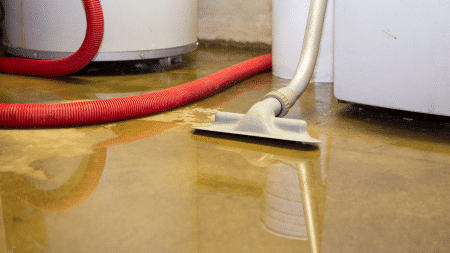
One thing we often tell homeowners is that water doesn’t need to be flooding the basement to cause damage. Consistent moisture is enough to create problems if it’s left untreated.
When Should You Have It Evaluated?
We recommend having the issue inspected if you notice:
- Water after heavy rain
- Dampness along the perimeter of the basement
- Efflorescence on walls
- Musty odors
- Recurring moisture in the same area
The sooner the source is identified, the easier it is to determine the best solution.
Final Thoughts
Water where the wall meets the floor is one of the most common signs of hydrostatic pressure and groundwater intrusion.
While it may look like a simple leak, the real issue is often happening beneath the surface.
In our experience, the most effective solutions focus on relieving pressure and managing groundwater before it reaches the basement rather than simply trying to seal the visible entry point.
Contact Us for Basement waterproofing in Seattle
If you’re noticing water where your basement wall meets the floor, All Seasons Waterproofing & Drainage can help identify the source and recommend the right solution. Our team helps homeowners throughout Seattle and Western Washington address groundwater intrusion, hydrostatic pressure, and basement waterproofing issues before they become larger problems.
Contact us today to schedule an inspection.