Why Is Water Coming Into My Basement After Heavy Rain?
If you’ve ever walked downstairs after a storm and found water on the basement floor, you’re not alone. Basement leaks after heavy rain are a common issue for homeowners throughout Seattle, Bellevue, Everett, Tacoma, and the surrounding Western Washington area, making basement waterproofing an essential solution to protect your home.
Homes in this region experience consistent rainfall throughout much of the year. When strong storms hit or when the ground becomes fully saturated after days of rain, the soil around your foundation can hold a large amount of water. Once that happens, pressure builds against the basement walls. Improper drainage or foundation issues are often the main factors causing water intrusion, allowing water to push through cracks, weak points, or areas where waterproofing has failed.
For many homeowners, the confusing part is that the basement may stay dry most of the time and only leak during heavier storms or extended rainy periods. That usually points to groundwater pressure or drainage problems around the home that build up over time and begin affecting the structure.
Understanding what causes basement leaks after heavy rain can help you identify the source and prevent the issue from getting worse.
Why Basement Leaks Are So Common in Western Washington
One of the biggest factors affecting basements in the Seattle area is the soil and the amount of rainfall the region receives. Western Washington soils often contain a mix of clay, silt, and glacial deposits that can hold water and drain slowly, especially during the rainy season.
When heavy rain falls, or when the ground stays wet for extended periods, the soil becomes saturated. Once saturated, water begins pushing against the foundation walls. This pressure is known as hydrostatic pressure, and it is one of the most common causes of basement leaks in the Pacific Northwest.
Because many homes are built into slopes or below grade, the foundation walls are constantly surrounded by soil. During long stretches of rain, that soil can stay saturated for days or even weeks, increasing pressure against the structure.
Over time, water will begin searching for the easiest path into the basement.
Hydrostatic Pressure and Basement Water
Hydrostatic pressure plays a major role in basement water problems throughout Western Washington.
When the soil around your home becomes saturated, groundwater builds up and pushes against the foundation walls and floor. Concrete may look solid, but it is actually porous. With enough pressure, water can work its way through small pores, cracks, or joints.
The most common areas where water appears include:
- The cove joint, where the basement wall meets the floor
- Small cracks in foundation walls
- Cracks in the basement floor
- Gaps around pipes or utility penetrations
When homeowners notice water pooling along the perimeter of the basement floor, hydrostatic pressure is often the cause.
Foundation Cracks That Let Water In
Another common reason water enters a basement after heavy rain is foundation cracking.
Over time, foundations develop cracks due to natural settling and soil movement. In Western Washington, soil saturation, hillside pressure, and seasonal changes can all contribute to foundation movement.
Even small cracks can allow water to enter once the surrounding soil becomes saturated.
Common types of cracks that allow basement leaks include:
Vertical cracks in poured
concrete walls
Horizontal cracks caused by
soil pressure
Stair-step cracks
in block foundations
Floor cracks in
basement slabs
Sealing foundation walls and repairing cracks early is an important step in preventing water intrusion. Many of these cracks are not noticed until water begins coming through during a storm.
Drainage Problems Around the Home
Exterior drainage is one of the most important factors when it comes to basement waterproofing in the Seattle area.
If rainwater is not properly directed away from the home, it will collect around the foundation and increase pressure against basement walls. In Western Washington, where rainfall is frequent, even small drainage issues can turn into bigger problems.
Some of the most common drainage issues include:
- Clogged gutters that overflow during storms
- Downspouts that discharge water too close to the home
- Yard grading that does not direct water away from the foundation
- Low areas in the yard where water collects and sits
Connecting downspouts to underground drainage systems is one of the most effective ways to move water away from the home. In many cases, solving drainage issues involves installing French drains, catch basins, or trench drains to control water flow across the property.
Because soils in this region can stay saturated for long periods, proper drainage is critical to preventing water from building up around the foundation.
Window Wells That Fill With Water
Basement window wells are another common source of leaks during heavy rain.

If the window well does not drain properly, water can collect and eventually enter the basement through the window frame.
This can happen when:
- Window well drains are clogged with leaves or debris
- The well is not deep enough to handle heavy rainfall
- The surrounding landscape directs water toward the window
Keeping window wells clear and ensuring proper drainage can help reduce this risk.
Sump Pump Problems
Many homes in the Seattle area rely on sump pumps to manage groundwater around the basement.
A sump pump collects water from beneath the basement floor and pumps it away from the home. During heavy rain or long wet periods, groundwater levels rise and the pump may run more frequently.
If the sump pump fails or becomes overwhelmed, water can begin accumulating inside the basement.
Common sump pump issues include:
- Power outages during storms
- Mechanical failure
- Clogged discharge lines
- Systems that are undersized for the amount of groundwater
Installing a backup sump pump system can help provide additional protection during heavy rain and power outages.
The Best Way to Stop Basement Leaks
When water enters a basement after heavy rain, it usually means there is an underlying drainage or waterproofing problem that needs to be addressed.
Long-term solutions focus on identifying where the water is coming from and relieving pressure around the foundation.
Common solutions may include:
- Foundation crack repair
- Interior drainage systems
- Sump pump installation or upgrades
- Exterior drainage improvements
- Basement waterproofing systems
The goal is to control water around the home and give it a path to drain away from the foundation instead of allowing it to build pressure against it.
Basement Waterproofing in Seattle and Western Washington
At All Seasons Waterproofing & Drainage, we regularly help homeowners throughout Seattle, Bellevue, Everett, Tacoma, and surrounding Western Washington communities solve basement water problems caused by heavy rain, poor drainage, and groundwater pressure.
The combination of frequent rainfall, saturated soils, and drainage challenges makes water intrusion a common issue in this region. Our team evaluates the source of the problem and recommends solutions designed to keep basements dry.
Depending on the situation, this may include drainage system installation, sump pump systems, crack repair, or full waterproofing solutions. Every home is different, which is why identifying the root cause is always the first step.
Protecting Your Basement from Future Rain
Heavy rain is a normal part of life in Western Washington, but basement flooding does not have to be.
Improving drainage, repairing foundation issues, and installing proper waterproofing systems can significantly reduce the risk of water entering your basement. Addressing these problems early helps prevent long-term damage and costly repairs.
If you are noticing water in your basement after heavy rain, taking action now can help protect your home and keep your basement dry year-round.
Contact All Seasons Waterproofing & Drainage
If water is entering your basement after heavy rain, it is usually a sign that something around the foundation is not working the way it should. Whether the issue is hydrostatic pressure, poor drainage, foundation cracks, or a failing sump pump, identifying the source of the problem is the first step toward fixing it.
At All Seasons Waterproofing & Drainage, we help homeowners throughout Seattle and Western Washington diagnose and solve basement water problems with long-term drainage and waterproofing solutions.
Contact All Seasons Waterproofing & Drainage today to schedule a professional inspection and find out what solution is right for your home.
More Recent Articles
Home When most homeowners hear “basement waterproofing,” they think of a quick fix. Maybe sealing a crack or coating the walls. In reality, a true basement waterproofing system is not just one product. It’s a combination of components designed to manage water, relieve pressure, and keep your basement dry long-term....
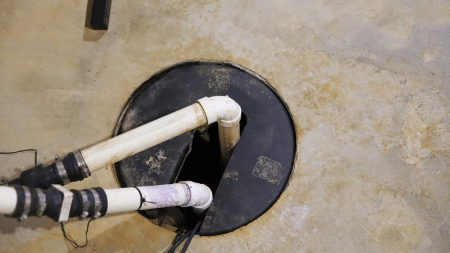
Home If you’ve dealt with water in your basement, you’ve probably heard the term French drain. It’s one of the most common solutions for basement waterproofing, especially in the Seattle area where heavy rainfall and saturated soil are part of everyday conditions. But what exactly is a French drain, and...
Home If your basement has a musty smell but you don’t see any standing water, it’s easy to assume it’s not a serious issue. Maybe it comes and goes, or you’ve gotten used to it over time. In reality, that smell is usually a warning sign. Across Seattle, Bellevue, Everett,...
Home In Western Washington, heavy rain is part of life. Cities like Seattle, Bellevue, Everett, and Tacoma experience months of steady rainfall each year. When storms arrive, the ground quickly becomes saturated, and drainage systems are put to the test. For homeowners, that often leads to a frustrating situation: walking...